Understanding the Costs of a Small Bathroom Remodel
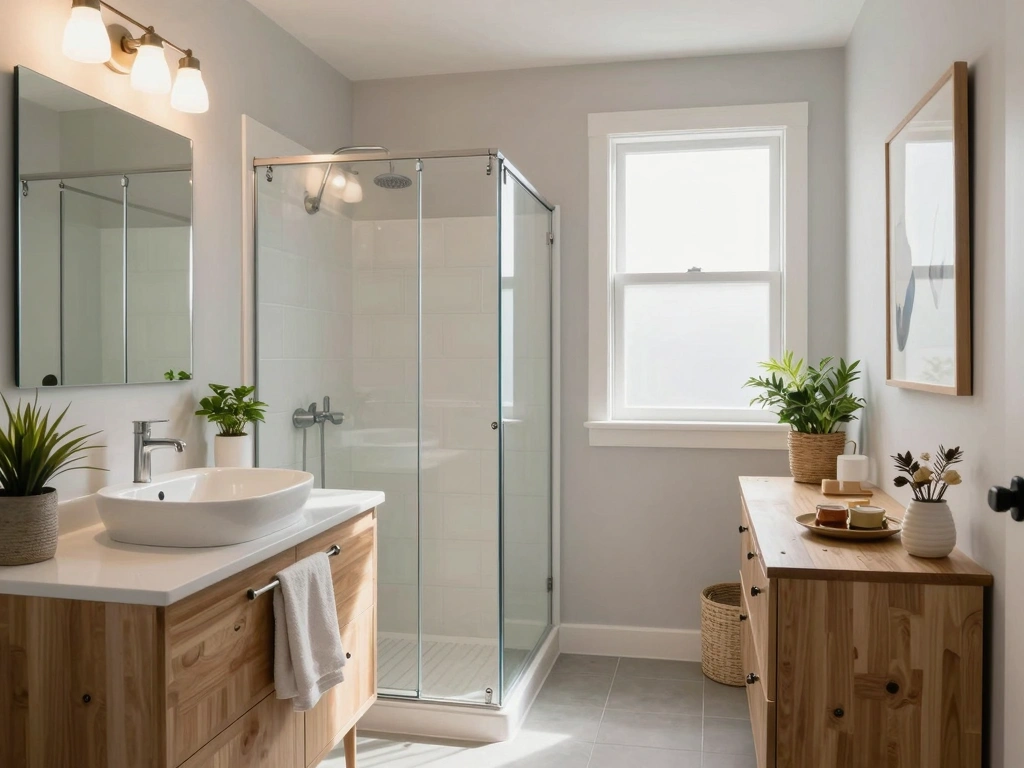
Remodeling a small bathroom can be an exciting yet daunting task, especially when it comes to budgeting. Knowing the potential costs involved can help streamline the process, allowing homeowners to achieve their desired look without breaking the bank. This section will delve into average cost estimates, factors that influence these costs, and hidden expenses that may arise during the remodel.
Average Cost Estimates for Small Bathroom Remodels
The average cost of remodeling a small bathroom (typically 5x8 feet) ranges from $5,000 to $15,000. However, this figure can vary based on various factors, including the extent of the remodel, the quality of materials used, and whether you opt for DIY or professional help. Here’s a basic breakdown of costs:
- Basic Remodel: $5,000 - $10,000 (updating fixtures, paint, and possibly flooring)
- Mid-Range Remodel: $10,000 - $15,000 (higher quality materials, new bathtub, and possibly new layout)
- High-End Remodel: $15,000 - $25,000 (luxury fixtures, custom cabinetry, and high-end materials)
For instance, a mid-range bathroom remodel might include a new vanity ($1,200), ceramic tile flooring ($800), a new shower/tub unit ($2,000), and updated plumbing fixtures ($600), totaling around $4,600 just for materials before labor costs.
Factors Influencing Remodeling Costs
Several factors can influence the overall cost of a small bathroom remodel:
- Size: The larger the bathroom, the higher the costs for materials and labor. Even small additions can increase expenses.
- Materials: Choices in materials can significantly impact costs. For example, porcelain tiles tend to be more expensive than vinyl.
- Layout Changes: Moving plumbing or electrical fixtures will add to the cost due to the complexity involved.
- Location: Labor costs can vary greatly depending on geographical location. Urban areas tend to have higher labor rates.
Hidden Costs to Watch Out For
When budgeting for a small bathroom remodel, it's crucial to account for hidden costs that may not be immediately apparent:
- Permits: Depending on your locality, you may need permits for plumbing or electrical work, which can cost anywhere from $50 to $500.
- Unexpected Repairs: During demolition, you may uncover issues like mold, water damage, or outdated wiring that need to be addressed.
- Disposal Fees: Removing old materials and fixtures can incur disposal fees, which can range from $100 to $300.
- Design Fees: If you hire a designer, fees can range from $50 to $200 per hour, adding to your overall budget.
Budgeting for Essential Elements
To ensure your small bathroom remodel stays on track financially, it’s essential to prioritize essential fixtures and fittings, choose affordable materials, and accurately estimate labor costs.
Prioritizing Fixtures and Fittings
When budgeting for your remodel, prioritize the essential elements that will impact both functionality and aesthetics. Here are some key components to consider:
- Vanity: A stylish and functional vanity can range from $300 for a basic model to over $1,500 for a custom unit.
- Shower/Tub: Standard prefabricated options can be found for around $1,000, while a custom tile shower might cost upwards of $3,000.
- Toilet: Modern, efficient models start at about $200, while high-efficiency and luxury models can exceed $800.
- Lighting: Quality lighting fixtures can cost anywhere from $50 to $300, depending on style and complexity.
Choosing Affordable Materials
Saving on materials does not mean sacrificing quality. Consider the following options:
- Vinyl Flooring: Cost-effective and water-resistant, vinyl can cost as low as $2 per square foot.
- Laminate Countertops: Laminate offers the look of stone or quartz but at a fraction of the price—typically around $30 per square foot.
- Prefabricated Shower Kits: These kits can save money compared to custom tile work, costing around $1,000.
Estimating Labor Costs
Labor often comprises a large portion of your remodel budget. Here’s how to estimate these costs:
- General Contractors: Expect to pay between $50 to $150 per hour, depending on experience and location.
- Specialized Trades: Electricians and plumbers can charge $70 to $200 per hour. It’s advisable to get multiple quotes to ensure competitive pricing.
- Flat Fees: Some contractors may offer flat fees for specific jobs, such as tiling or plumbing installations.
DIY vs. Hiring Professionals
Deciding between DIY projects and hiring professionals can have a significant impact on your overall budget. Understanding the costs and benefits of each approach is essential for a successful remodel.
Cost Comparisons: DIY vs. Professional Help
Here’s a breakdown of potential costs for DIY versus hiring professionals:
- DIY: While it requires more time and effort, many homeowners can save on labor costs, which can account for 20-35% of the total project cost.
- Professional Help: Hiring a contractor means paying for their expertise and efficiency, but it can also mean a higher and more predictable budget.
For example, if a full bathroom remodel costs $10,000, labor could range from $2,000 to $3,500. If you choose to do the labor yourself, you could save a considerable amount, allowing you to allocate funds to higher-end materials or fixtures.
Common DIY Projects for Small Bathrooms
There are several projects that homeowners can confidently tackle themselves:
- Painting: A fresh coat of paint can transform a space, costing only $30-$50 for supplies.
- Installing New Fixtures: Replacing faucets or cabinet hardware can be a straightforward task with proper tools and guidance.
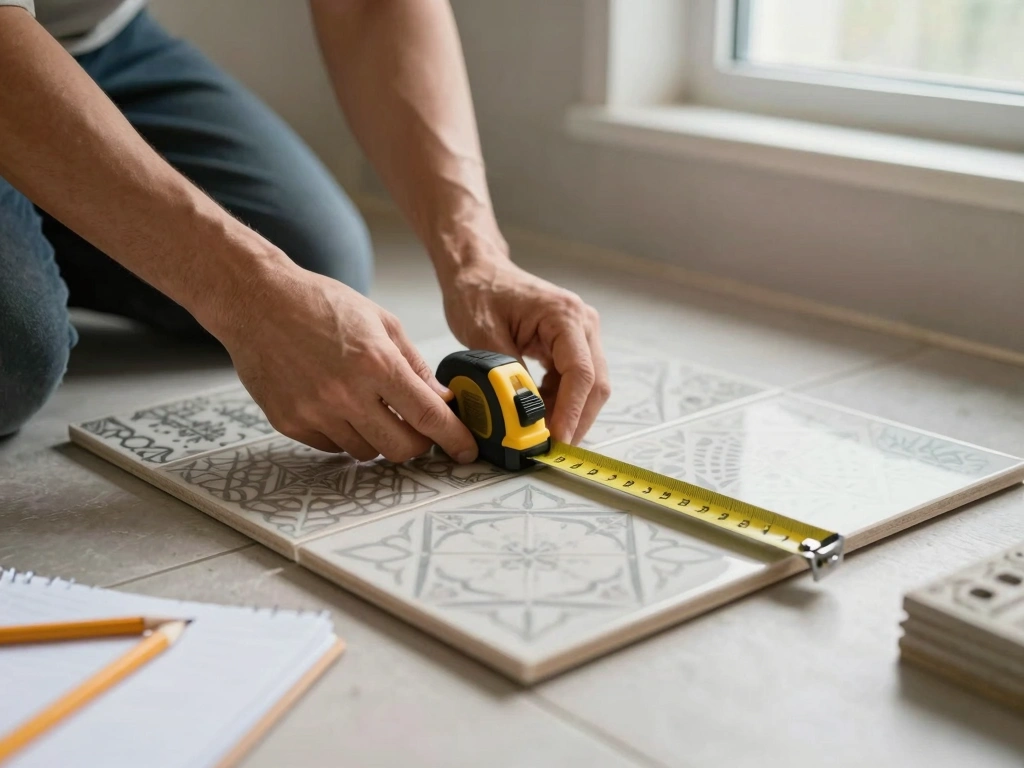
- Tile Backsplash: While it requires patience, installing a tile backsplash is a manageable DIY project for many homeowners.
- Decorative Touches: Adding new towels, accessories, or decor can enhance the overall look without a significant investment.
When to Hire a Contractor
While DIY can save money, certain tasks are best left to professionals:
- Plumbing and Electrical Work: These jobs require specialized skills and knowledge of local codes. Mistakes can be costly and dangerous.
- Complex Designs: If your remodel involves significant layout changes, hiring a contractor can ensure the job is done correctly.
- Time Constraints: If your schedule is tight, hiring professionals can expedite the process, minimizing disruptions to your daily life.
Financing Your Small Bathroom Remodel
Understanding your financing options can help you manage the costs associated with your small bathroom remodel. Here, we will explore various financing avenues and budgeting strategies.
Exploring Home Equity Options
If you have built up equity in your home, consider using it to fund your remodel:
- Home Equity Loan: This option allows you to borrow against the equity in your home, typically at a lower interest rate than personal loans.
- Home Equity Line of Credit (HELOC): A HELOC allows for flexible borrowing and repayment, making it a suitable choice for ongoing projects.
For example, if your home is worth $300,000 and you owe $200,000 on your mortgage, you may have access to $100,000 in equity, providing ample funds for your remodel.
Understanding Personal Loans for Remodeling
If home equity options are not available, personal loans can be an alternative:
- Unsecured Personal Loans: Typically ranging from $1,000 to $50,000, these loans can be used for remodeling without requiring collateral.
- Interest Rates: Expect interest rates to range from 6% to 36%, depending on your credit score and lender.
For instance, borrowing $10,000 at a 10% interest rate over five years would result in monthly payments of about $212.
Budgeting Tips for Sticking to Your Financial Plan
Staying on budget is crucial during a remodel. Here are some strategies to help you stick to your financial plan:
- Create a Detailed Budget: Outline all potential expenses, including materials, labor, and hidden costs, to get a clear picture.
- Set a Contingency Fund: Allocate 10-20% of your total budget for unexpected expenses.
- Track Spending: Keep an ongoing record of expenses to ensure you remain within budget.
- Evaluate and Adjust: If you find yourself overspending in one area, consider cutting back in another to compensate.
Tips for Saving on Your Bathroom Remodel
There are numerous strategies you can employ to save money during your small bathroom remodel without compromising on quality. Here are some useful tips:
Smart Shopping Techniques
When sourcing materials and fixtures, utilize smart shopping techniques to maximize your budget:
- Compare Prices: Use tools and apps to compare prices from different retailers before making a purchase.
- Buy in Bulk: If you're purchasing materials like tiles or paint, buying in bulk can yield significant savings.
- Shop Off-Season: Purchasing materials during off-peak times can lead to discounts, particularly for seasonal items.
Utilizing Sales and Discounts
Taking advantage of sales and discounts can also contribute significantly to your budget:
- Holiday Sales: Major holidays often come with sales on home improvement items; plan your purchases around these events.
- Clearance Items: Look for clearance sections in home improvement stores where you can find discounted materials.
- Membership Discounts: Many retailers offer discounts for members or loyalty programs that can help save on costs.
Repurposing Existing Elements
Before deciding to buy new fixtures or materials, consider repurposing existing elements:
- Refinishing Cabinets: Instead of replacing cabinets, consider repainting or refinishing them for a fresh look.
- Updating Hardware: Changing out cabinet knobs or drawer pulls can dramatically change the look of your bathroom without high costs.
- Reusing Fixtures: If your existing fixtures are in good condition, consider cleaning and reusing them instead of purchasing new ones.
By employing these strategies, you can optimize your budget while achieving the small bathroom remodel of your dreams.